Home Solar Panel Installation: From Roof Check to Switch-On
Installing solar on a house means sizing a rooftop system to the electricity you actually use, mounting panels on the part of the roof that gets good sun, wiring them to an inverter, and connecting the system to the utility. Most homes end up with a system somewhere in the single-digit kilowatt range, but the right size depends on your bills, your roof and what you plan to add, such as an electric car or a heat pump.
Describe the job and add your city. Free to request, no obligation.
The roof decides more than most people expect. Panels stay up for decades, so a roof that needs replacing in five years should be dealt with first or at the same time. Shade from trees and neighbouring buildings, the direction each slope faces and the room around vents and chimneys all change how many panels fit and how much they produce.
A ground mount is sometimes the better answer when the roof is small, shaded or complicated. Either way, the job is not finished when the last panel is bolted down: the local permit has to be closed, the utility has to approve the connection, and only then is the system allowed to switch on.
What the work includes
- Review of twelve months of electricity bills to size the system
- Roof inspection for age, material, structure and shading
- Panel layout drawing and a yearly production estimate
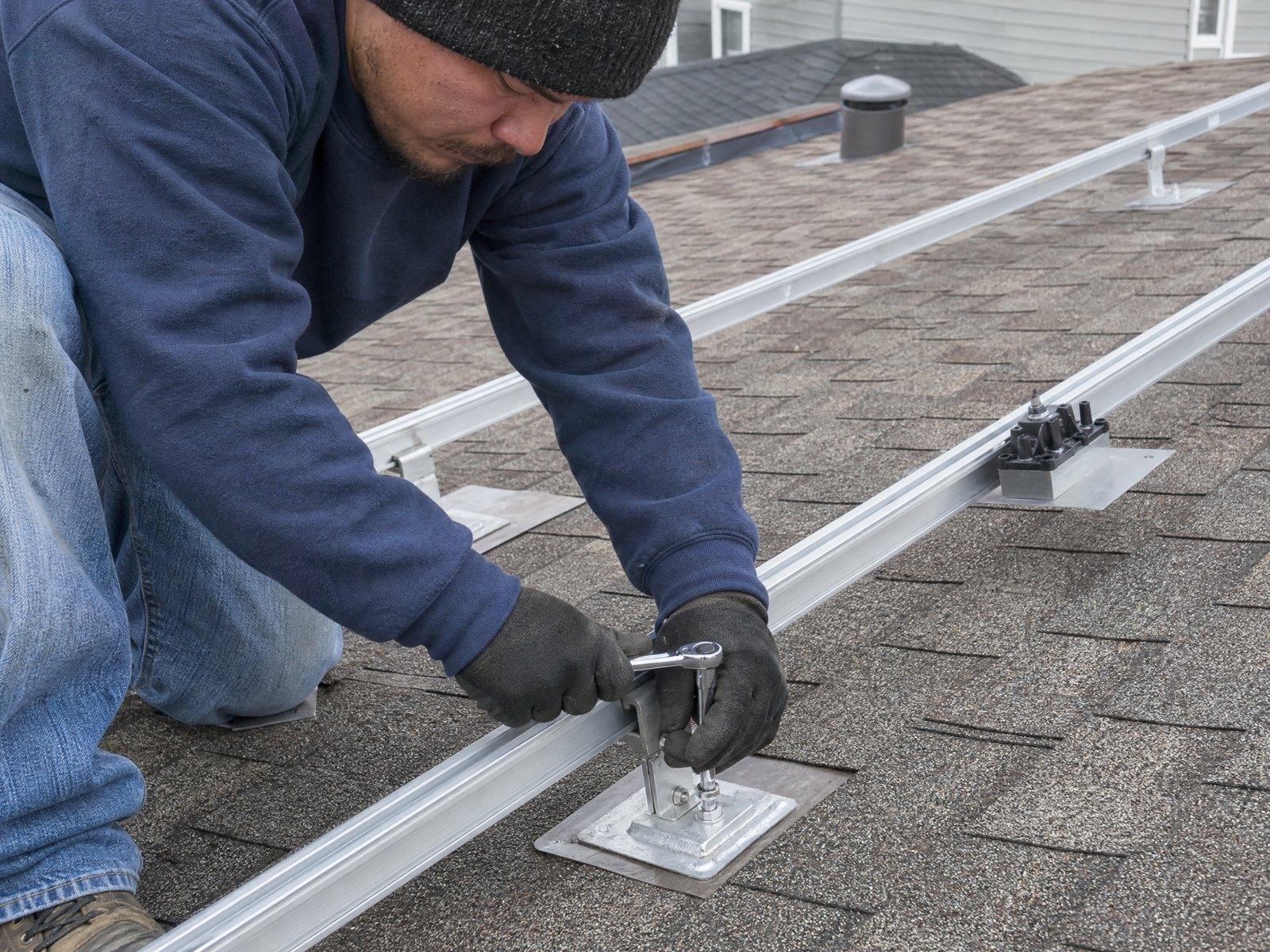
- Racking, flashing and sealed roof attachments
- Inverter setup: string inverter, microinverters or optimizers
- AC and DC wiring, disconnects and the connection to your main panel
- Building permit, electrical inspection and utility interconnection paperwork
- Monitoring setup so you can see production from a phone or computer
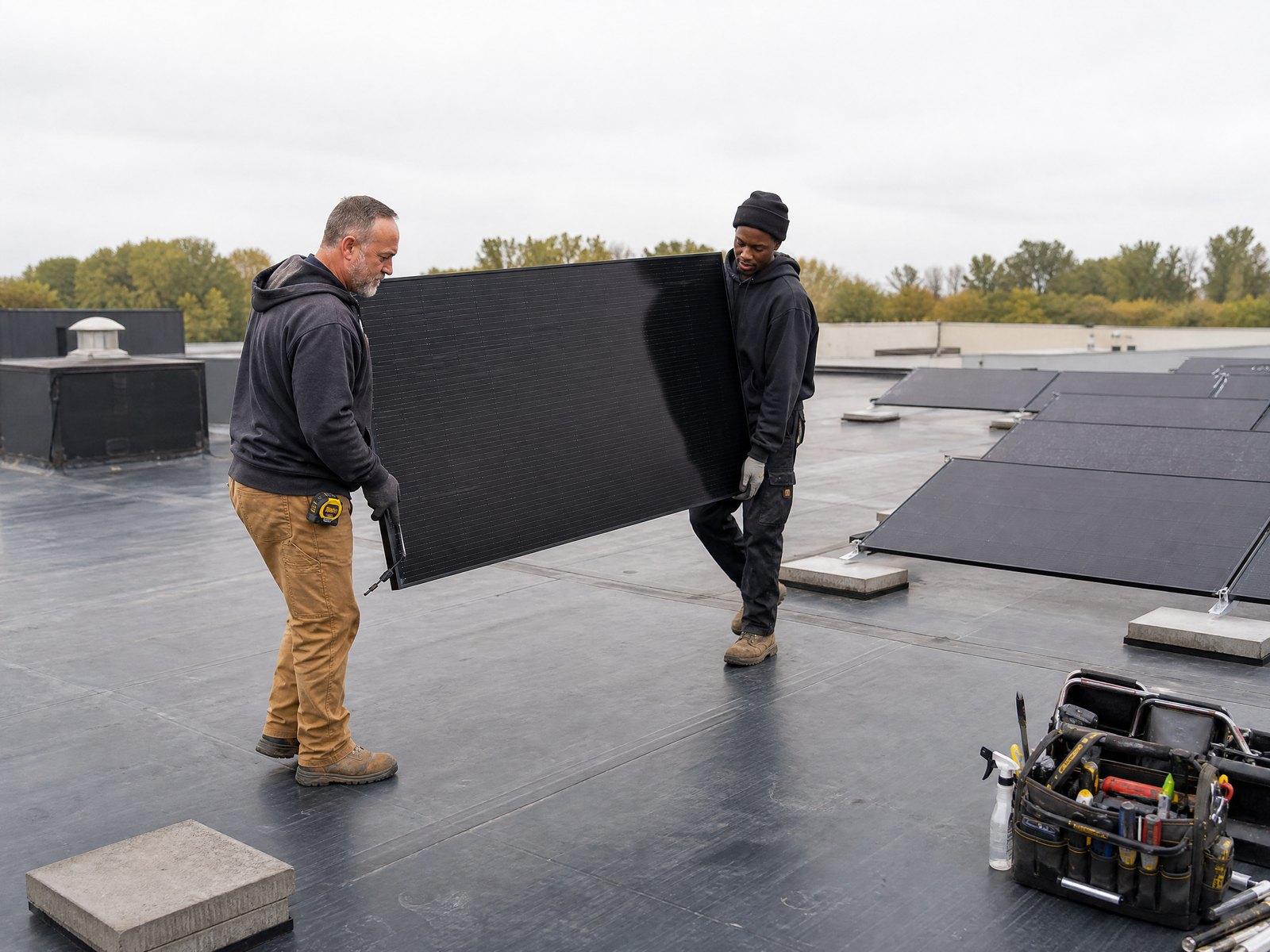
When solar is worth pricing out
Your electricity bills stay high all year, not only in one season
A roof face pointing roughly south, east or west with few trees nearby
A roof in good shape, or a replacement already planned
A new electric car, heat pump or pool pump about to raise your usage
Rates that keep rising, or a utility that credits power you send back
A power outage problem that makes you want a battery added later
How the work goes, step by step
Send your details
Share your address, a recent electricity bill and what you want from the system, such as lower bills, backup power or both.
Roof and shade review
A specialist checks the roof condition, the usable area and the shading through the day and across the seasons.
Design and written quote
You receive the system size, the equipment models, the expected yearly output, permits and the full price.
Permits and ordering
Permit and utility applications go in before installation. Equipment is ordered once approvals are on the way.
Installation and connection
Panels and wiring go on, the electrical inspection is passed, and the system is switched on after the utility approves it.
What changes the price
- System size
- More panels cost more in total, though the price per watt usually drops a little as the system gets larger.
- Roof type and complexity
- Tile, slate, steep slopes and roofs with many small faces take longer and need different mounting parts than a plain shingle roof.
- Inverter choice
- Microinverters and optimizers cost more up front than a single string inverter but handle shade better.
- Electrical upgrades
- An older or full main panel may need work before the system can connect, and that is added to the quote.
- Permits and utility rules
- Permit fees, inspection steps and utility connection charges vary a lot from one municipality to the next.
- Incentives
- Rebates, credits and net metering terms change over time and do not apply everywhere, so ask the quote to say which ones it assumes.
What a good quote spells out
- System size in kW and expected yearly production in kWh, with the shading and roof direction it assumes
- Panel, inverter and any battery named by make and model, so quotes can be compared fairly
- How the racking is attached and how each roof penetration is sealed
- Who handles permits and the utility application, and what happens if the utility asks for changes
- Which warranties come from the equipment maker and which from the installer, written down before you sign
Residential Solar Installation: questions people ask
How big a solar system does a house need?
It is sized from your yearly electricity use, not the size of the house. A specialist adds up twelve months of bills, then adjusts for planned changes such as an electric car, and checks that the roof has enough sunny area for the panels.
Does the roof need replacing before going solar?
Not always, but an old roof is a real concern. Taking panels off to re-roof later costs extra, so a roof with only a few years left is usually replaced first or at the same time.
How long does a home solar installation take?
The physical installation on a typical house is often a few days. The wait before it is switched on is longer, because permits and the utility approval run on their own schedules.
Will solar work during a power outage?
A standard grid-tied system shuts off in an outage for safety reasons. Keeping power on needs a battery and equipment that can isolate your house from the grid, which should be spelled out in the quote.
Other Alumen services
Thinking About Solar? Start With Your Roof.
Fill out the quote form with your city and what you have in mind. A local specialist follows up to review your property and give you a written quote. Free to request, no obligation.
Request a free quote →