Solar Battery Storage: Backup Power and Evening Use
A solar battery stores power from your panels so you can use it in the evening or when the grid is down. It does not make a house self-sufficient on its own, but it can keep the essentials running during an outage and reduce how much you buy from the utility when rates are highest.
Describe the job and add your city. Free to request, no obligation.
Size depends on what you want to keep running and for how long. The fridge, furnace blower, sump pump, internet router and some lights draw little. Central air conditioning, an electric range or an electric car charger draw a lot and can empty a battery quickly. Deciding which loads matter most is the first step, and the answer often means a separate backup panel.
Batteries can be added to many existing solar systems, but not all. Older inverters sometimes cannot talk to a battery, and a replacement or an added battery inverter may be needed. Backup also requires a way to separate the house from the grid during an outage, which keeps crews working on the lines safe.
What the work includes
- Load review to decide what the battery should back up
- Battery sizing in kWh and power rating in kW
- Compatibility check with your existing solar inverter
- Battery inverter or hybrid inverter where one is needed
- Backup load panel or whole-home transfer equipment
- Wall or floor mounting in a suitable garage, basement or exterior location
- Permit, inspection and utility notification for the added storage
- Setup of backup, time-of-use and self-consumption modes
Reasons homeowners look into batteries
Outages that spoil food, stop the sump pump or leave the house cold
A utility with higher evening rates than daytime rates
A net metering plan that pays little for power sent to the grid
Solar panels that already produce more than you use during the day
Medical equipment or a home office that must keep running
A home in a storm, wildfire or heavy snow area where outages last long
How the work goes, step by step
List what must stay on
Tell the specialist which appliances and rooms matter in an outage and how long outages usually last where you live.
Check the existing system
If you already have solar, its inverter, panel and wiring are reviewed to see whether a battery can connect.
Written quote
You receive the battery size, the backup scope, the equipment models, permits and price.
Install and wire
The battery is mounted, wired to a backup panel or transfer equipment, and tested through a simulated outage.
Settings and walkthrough
Modes are set to match your goals, and the controls and monitoring app are explained.
What changes the price
- Battery capacity
- Cost rises with the kWh you buy, and a larger battery or a second unit adds a large amount.
- Whole-home or partial backup
- Backing up a few circuits through a sub-panel costs less than backing up the entire house.
- Inverter compatibility
- An existing inverter that does not work with a battery may need to be replaced.
- Electrical panel condition
- A main panel with no space or an outdated design adds work before the battery goes in.
- Installation location
- Indoor, garage and outdoor locations each have clearance, temperature and fire-separation rules.
- Equipment brand and chemistry
- Different manufacturers and lithium chemistries vary in price, warranty terms and power output.
What a good quote spells out
- Which circuits are backed up, how long the battery can run them and what happens when the load is too high
- Battery size in kWh and continuous power output in kW, listed separately
- Whether your current inverter works with the battery or needs to be replaced
- Where the battery is placed and how clearances and fire rules are met
- Battery warranty terms, including capacity retention over time and who handles service
Solar Battery Storage: questions people ask
How many hours of backup does a home battery give?
It depends on what you connect. A battery that carries the fridge, lights and furnace blower can last a day or more, while the same battery running central air may last only a few hours.
Can a battery be added to solar panels already on the roof?
Often yes. Whether it is simple depends on the inverter and wiring, and a specialist needs to check the model and age of your system before quoting.
Does a solar battery work in a power outage without sun?
Yes, it runs on stored power. Recharging from panels needs daylight, so extended cloudy outages call for careful use of what is stored.
Is a battery worth it with net metering already in place?
It can be if outages are a worry for you. If credits for exported power are generous and outages are rare, the financial case is weaker, and a good quote will say so.
Other Alumen services
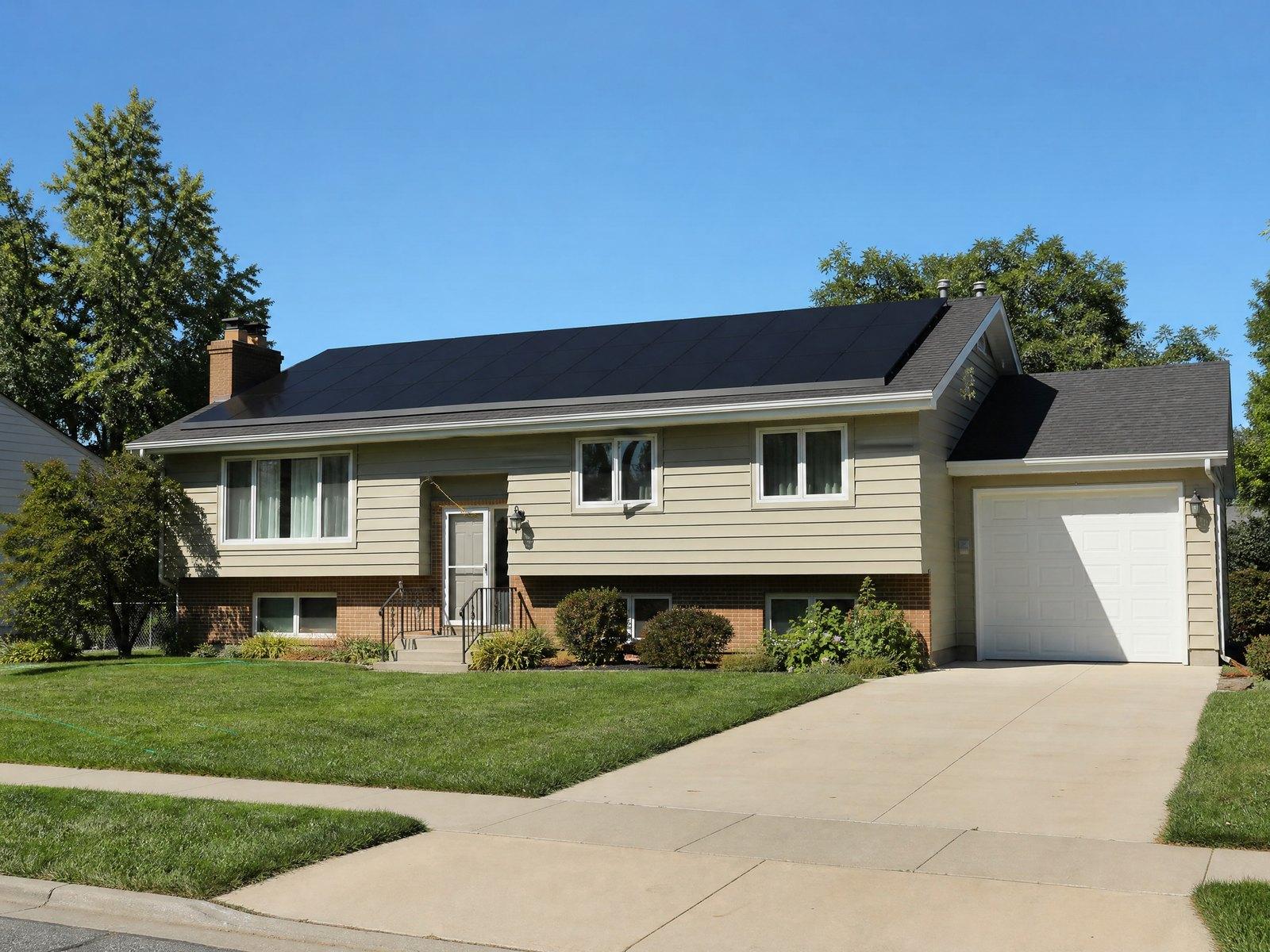
Thinking About Solar? Start With Your Roof.
Fill out the quote form with your city and what you have in mind. A local specialist follows up to review your property and give you a written quote. Free to request, no obligation.
Request a free quote →