Solar Panel Cleaning: When It Helps and How It Is Done
Solar panels are cleaned with soft brushes and purified water. Rain washes away light dust, but pollen, bird droppings, tree sap, farm dust, ash and road grime can bake on and cut production, especially on panels with a shallow tilt where water does not run off.
Describe the job and add your city. Free to request, no obligation.
Cleaning is not always worth paying for. A steep roof in a rainy climate may stay clean enough, while a low-slope array beside a dirt road or under a tree can lose noticeable output between rains. Comparing monitoring data from a clean week to a dirty one is the simplest way to tell.
How the cleaning is done matters more than the cleaning itself. Pressure washers, hard tap water and harsh chemicals can damage the anti-reflective coating, leave mineral spots or force water past seals. The access method also matters: a steep or high roof calls for fall protection, and a wet panel in cold weather can freeze.
What the work includes
- Visual check of the array for dirt patterns, droppings and shade changes
- Cleaning with soft brushes or cloths and purified or deionized water
- Gentle removal of stuck-on sap, pollen film and bird droppings
- Rinse that leaves no streaks or mineral spots
- Cleaning of the lower edge where dirt collects against the frame
- A look at visible wiring, mounts and debris under the panels
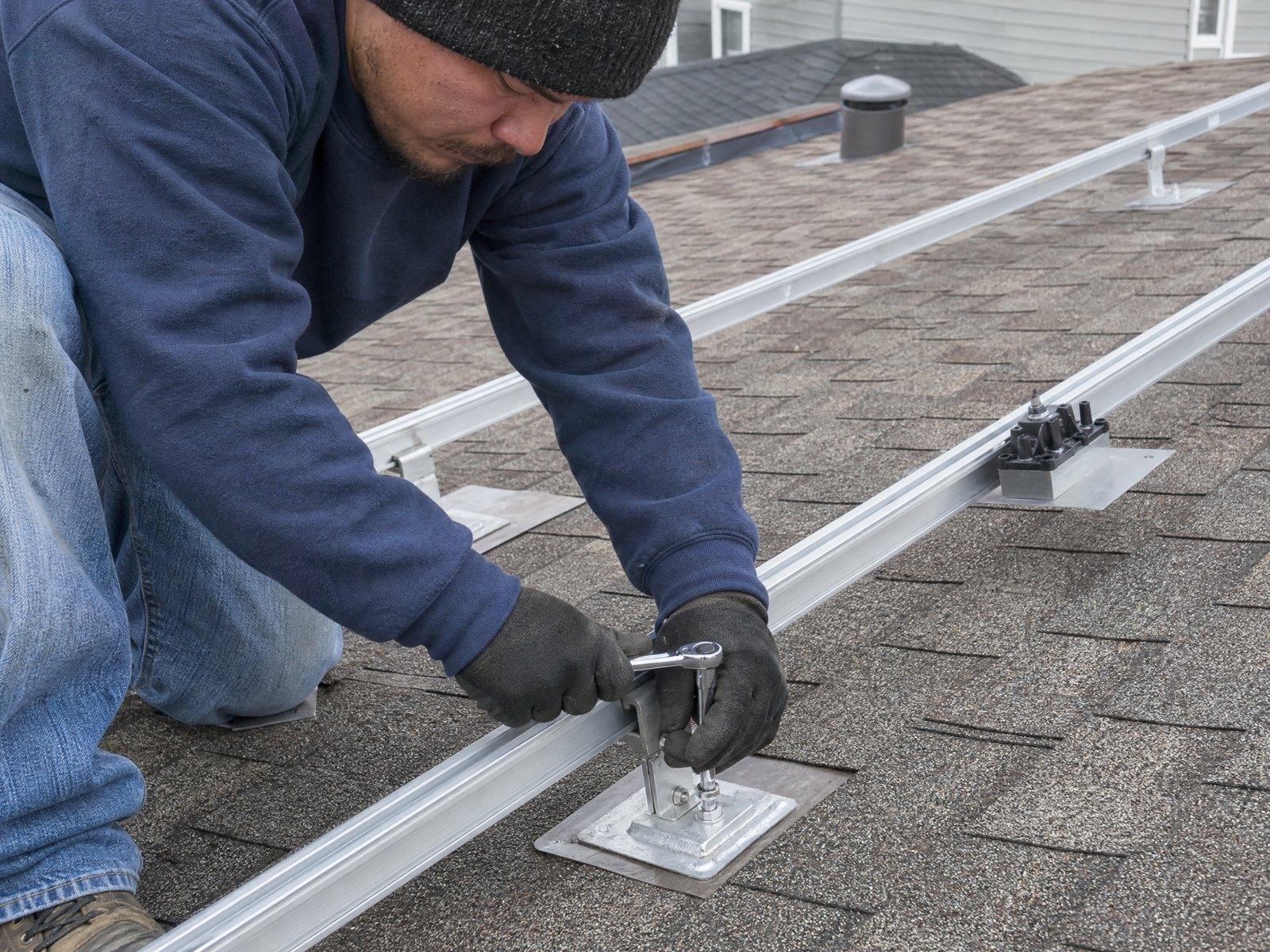
- Fall protection and roof access set up for the pitch and height
- Photos of the array before and after, when you ask for them
Signs your panels need cleaning
Visible dust, pollen film or droppings you can see from the ground or a window
Monitoring output below the same sunny month last year
Dirt lines along the lower edge of each panel where water stops
Falling leaves, sap or ash after a storm, wildfire or nearby construction
A low-tilt or flat-roof array that rain barely rinses
One section of the array producing less than the rest
How the work goes, step by step
Tell us about the dirt
Describe what you see, how long since the last cleaning and anything unusual, such as nearby trees or a farm field.
Safe access plan
The specialist confirms how the roof is reached, whether tie-off points are needed and the weather window.
Written quote
You receive the scope, the method and the price for the visit, or for a regular schedule if you want one.
Cleaning
Panels are brushed and rinsed with purified water, working from the top of the array down.
Check and report
Visible damage or loose parts noticed during the visit are noted for you.
What changes the price
- Number of panels
- More panels mean more time on the roof, though the cost per panel can fall on a larger job.
- Roof pitch and height
- Steep, high or complicated roofs need safety gear and slower work.
- Type of dirt
- Light dust washes off quickly. Baked-on droppings or sap need more time.
- Water access
- Purified water is carried in or produced on site, and tight access adds effort.
- Ground array or roof array
- A ground-mounted array is easier to reach than a rooftop one.
What a good quote spells out
- What cleaning method is used, including the type of brush and the kind of water
- Confirmation that no pressure washer or harsh chemical goes near the panels
- How the roof is accessed and what safety equipment is used
- What happens if weather stops the work or the panels are too hot or too cold to clean
- Whether the price covers the whole array or a set number of panels
Solar Panel Cleaning: questions people ask
How often should solar panels be cleaned?
Many arrays only need it once or twice a year, and some none at all in rainy climates. Dusty, farm, coastal or tree-covered locations may need it more often, so check your output against a clean baseline.
Can solar panels be cleaned by the homeowner?
Light dust can sometimes be rinsed from the ground with a hose, but climbing onto a roof is risky, and scrubbing with the wrong brush or hard water can mark the glass. Most roof arrays are better left to someone with fall protection.
Does cleaning void a solar panel warranty?
Damaging the glass or coating with the wrong tools can cause a warranty dispute. Check the manufacturer's care instructions and ask the cleaner to follow them.
What is the best time of day to clean solar panels?
Early morning or evening, when panels are cool. Cold water on hot glass can stress it, and water dries too fast in midday sun to avoid streaks.
Other Alumen services
Thinking About Solar? Start With Your Roof.
Fill out the quote form with your city and what you have in mind. A local specialist follows up to review your property and give you a written quote. Free to request, no obligation.
Request a free quote →